
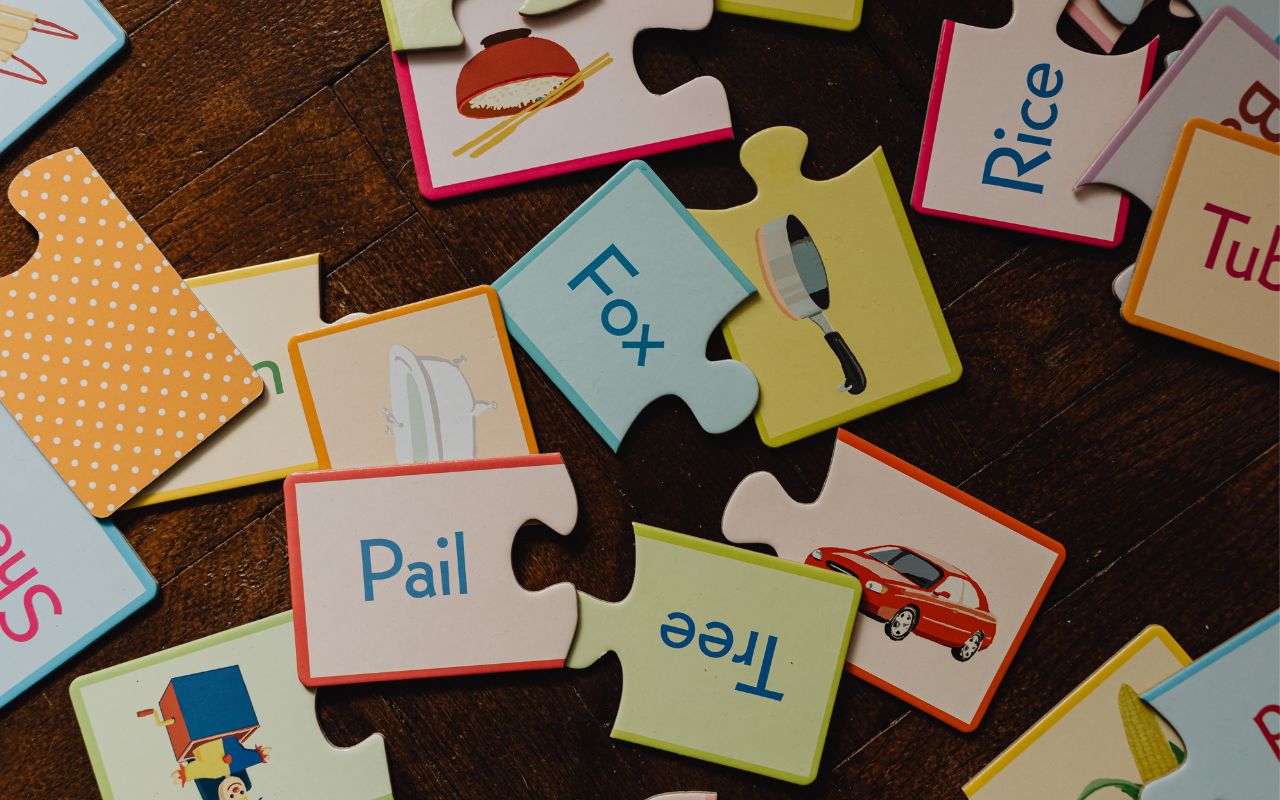
Have you ever felt satisfied after solving a tricky puzzle? Whether it’s fitting the last piece into a jigsaw, cracking a Sudoku, or finally beating that level in a mobile game, puzzle games have a special way of making our brains feel… What do you say?…. Accomplished!! But beyond that satisfying moment, puzzle games actually do something more powerful, they help sharpen your brain.
But, how?
Why Puzzle Games are More than Just a Fun Way to Pass Time
1. They Train Your Brain to Think Critically
Puzzle games constantly challenge you to think. Unlike passive activities like scrolling social media, puzzles require active problem-solving.
When you play a puzzle game, your brain is busy to:
- Analyzing patterns
- Testing possible solutions
- Learning from mistakes
Over time, this builds stronger critical thinking skills. You become better at breaking down complex problems into smaller, manageable steps. Not just in games, but also in real life.
2. They Improve Memory
Many puzzle games rely on memory. Think about matching games, logic puzzles, or even escape room-style challenges. You need to remember clues, patterns, or previous moves to succeed.
This repeated mental exercise strengthens both:
- Short-term memory (remembering immediate details)
- Long-term memory (storing patterns and strategies)
The more you play, the more your brain gets used to holding and recalling information quickly.
3. They Boost Focus and Concentration
Have you ever noticed how time flies when you’re deep into a puzzle? That’s because puzzle games really demand your full attention.
Unlike multitasking, puzzle games train your brain to focus on one task at a time. This can help you:
- Stay attentive for longer periods
- Avoid distractions
- Improve productivity in daily activities
4. They Strengthen Problem-Solving Skills
Every puzzle is like a problem waiting to be solved. The more puzzles you tackle, the better you become at finding solutions.
You start to develop strategies like:
- Trial and error
- Pattern recognition
- Logical reasoning
These skills will affect directly into your real-life situations, whether you’re troubleshooting an issue at work or making decisions in daily life.
5. They Encourage Patience and Persistence
Let’s be honest, some puzzles can be really frustrating. You might get stuck, make mistakes, or feel like you want to give up.
But here’s the interesting part: puzzle games teach you to keep going.
Instead of quitting, you learn to:
- Try different approaches
- Stay calm under pressure
- Celebrate small wins
This builds your mental resilience, which is incredibly valuable in both personal and professional life.
6. They Keep Your Brain Active
Just like your body needs exercise, your brain also needs stimulation. Without it, cognitive abilities can slow down over time.
Puzzle games provide that mental workout by:
- Activating different parts of the brain
- Encouraging new neural connections
- Keeping your mind engaged
Regularly playing puzzles can help maintain mental sharpness, especially as you age.
7. They Spark Creativity
Not all puzzles are purely logical, many puzzle games require creative thinking, like:
- Finding unexpected solutions
- Thinking outside the box
- Combining ideas in new ways
This kind of thinking helps boost creativity, making it easier to come up with fresh ideas in other areas of life.
8. They Reduce Stress
Really? It might sound surprising, but puzzle games can actually help you relax. How?
When you’re focused on solving a puzzle:
- Your mind takes a break from worries
- You enter a “flow state”
- You feel a sense of control and accomplishment
This can reduce stress and improve your overall mood.
9. They Improve Decision-Making Skills
Many puzzle games require quick thinking and decision-making. You often have to choose between different options and predict outcomes.
This helps you:
- Weigh pros and cons faster
- Make smarter decisions
- Build confidence in your choices
Over time, you become more decisive, not just in games, but in everyday situations.
10. They’re Fun (And That’s the Secret!)
This is the most important part, puzzle games are enjoyable!
Because they’re fun, you’re more likely to:
- Play regularly
- Stay engaged
- Keep challenging yourself
And that consistency is what really helps your brain improve.
Conclusion
Puzzle games might seem simple on the surface, but they offer powerful benefits for your brain. From improving memory and focus to boosting creativity and problem-solving skills, they act like a full workout for your mind.
And the best part? You don’t need hours of practice. Even a few minutes a day can make a difference.
So next time you open a puzzle game, remember that you’re not just playing. You’re training your brain to be sharper, faster, and more adaptable.
And honestly, that’s a pretty great reason to keep playing. So, let’s play!